
Walking in the Footsteps of Masters: Our Okinawa Journey
Walking in the Footsteps of Masters: Our Okinawa Journey
In March 2025, we—Senseis from International Martial arts Academy an South African dojo—embarked on a journey to Okinawa, the birthplace of karate. This was more than just a trip; it was a pilgrimage. As martial artists and custodians of a proud lineage, we sought not only to train but to connect—to immerse ourselves in the roots of our art and deepen our understanding of the philosophies that have shaped generations of karateka.
Okinawa offered us an unforgettable blend of training, cultural enlightenment, and spiritual reflection. Every step, every site, and every interaction served as a powerful reminder of why we do what we do—and why we strive to pass it on authentically.
Training in the Heart of Tradition
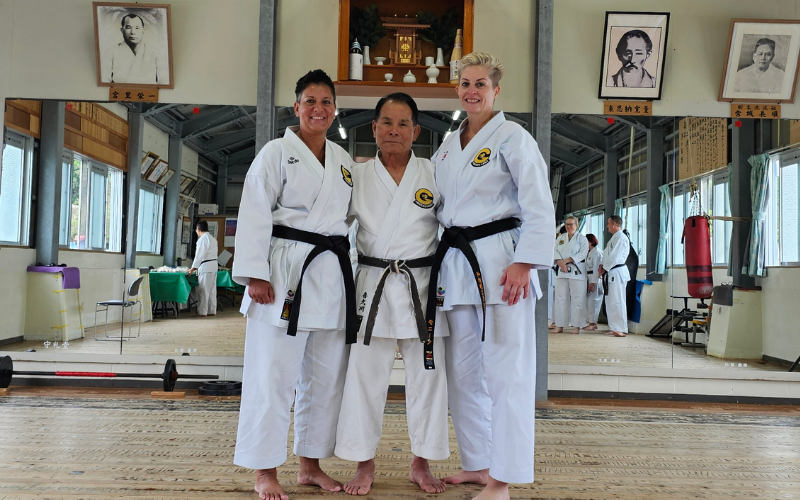
Our journey began with an evening training session at the dojo of Kikugawa Masanari Sensei, a 10th Dan in Okinawa Goju Ryu Karate-do Kyokai (OGKK) and an officially recognized Intangible Cultural Asset of Okinawa for his contribution to the preservation of karate. Being welcomed into his dojo, and training under his direct instruction, was both an honor and a rare opportunity. The atmosphere in the dojo was one of discipline, humility, and deep-rooted tradition.
Following the session, we were hosted for a traditional Okinawan meal, a gesture that beautifully reflected the hospitality and warmth of our Okinawan hosts. This wasn’t just a dinner—it was a chance to connect beyond the dojo walls, to listen to stories, and to share mutual respect for the art that unites us across oceans.
Living History: The Places That Shaped Our Art
Chojun Miyagi’s Home where his Garden Dojo use to be
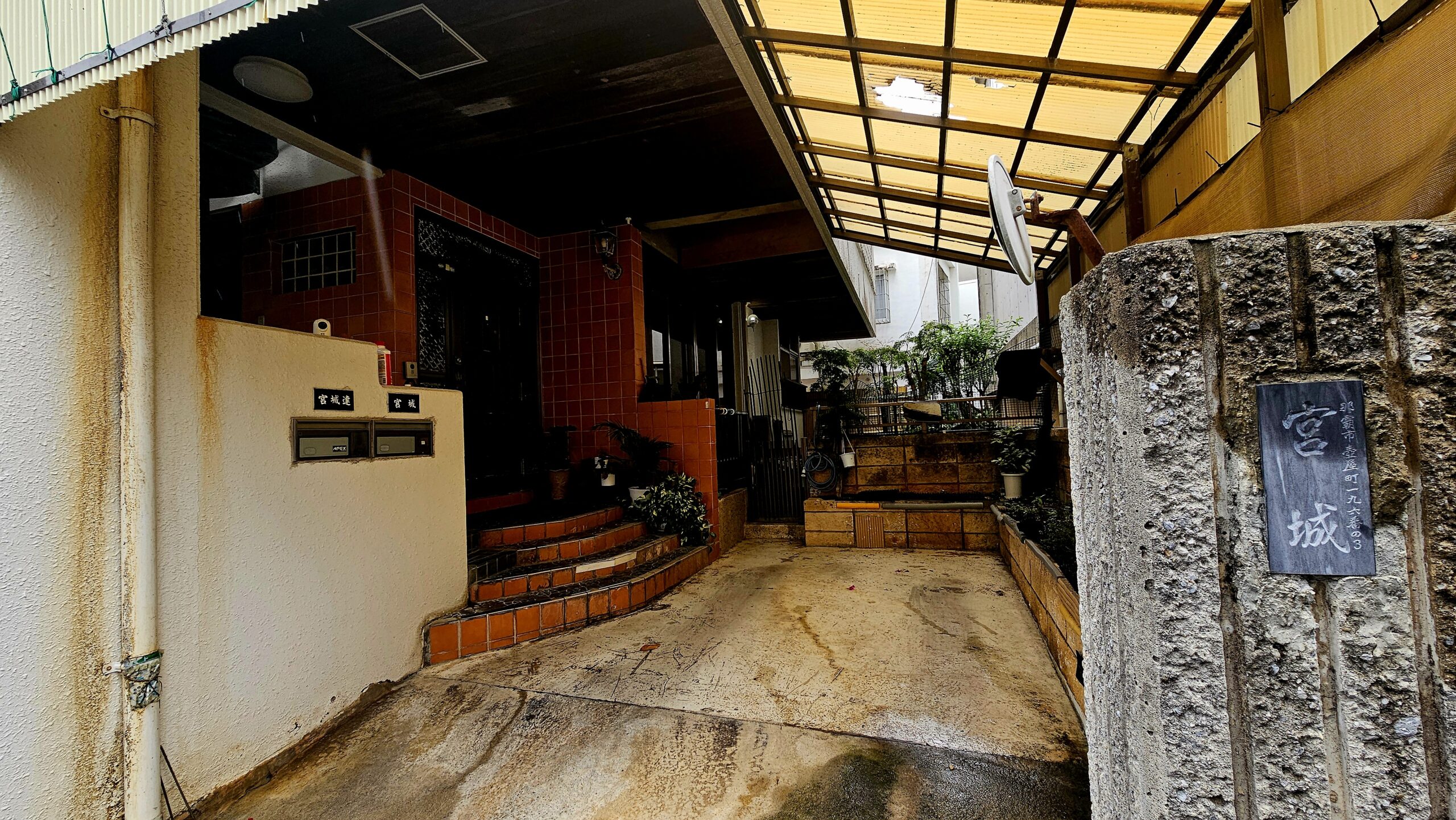
One of the most emotionally resonant moments of our journey was visiting the home of Chojun Miyagi Sensei (1888–1953), the founder of Goju-Ryu. His home still stands today in Naha, preserved and lovingly maintained by his descendants. In the quiet space behind his house, the garden dojo use to be —where he once trained his closest students, like Eiichi Miyazato Sensei —we felt the spirit of Goju-Ryu alive and present. It wasn’t just a visit; it was a connection to the soul of our style.
Jundokan Dojo and OGKK Legacy
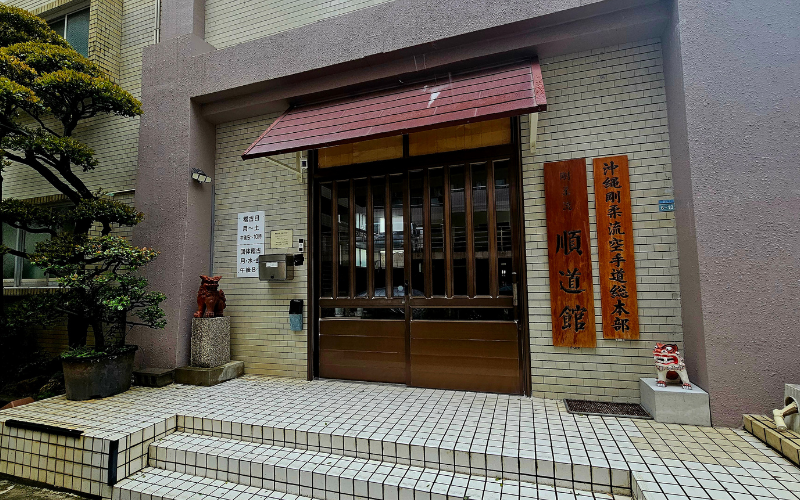
We also stood before the entrance of Jundokan Dojo, founded by Eiichi Miyazato Sensei, the designated successor of Miyagi Sensei and founder of the Okinawa Goju Ryu Karate-do Kyokai (OGKK). Even without entering, we could feel the weight of tradition radiating from within—wooden floors that have witnessed decades of hard training, and makiwara posts that have shaped champions. It was a humbling reminder of the dedication required to preserve karate in its purest form.
Moments of Culture and Connection
Beyond the dojo, Okinawa welcomed us with a rich tapestry of history, beauty, and spirituality. Each experience was a lesson in itself:
- Makishi Public Market: We enjoyed a daily walks to this bustling center, a delicious introduction to all Okinawan flavors.
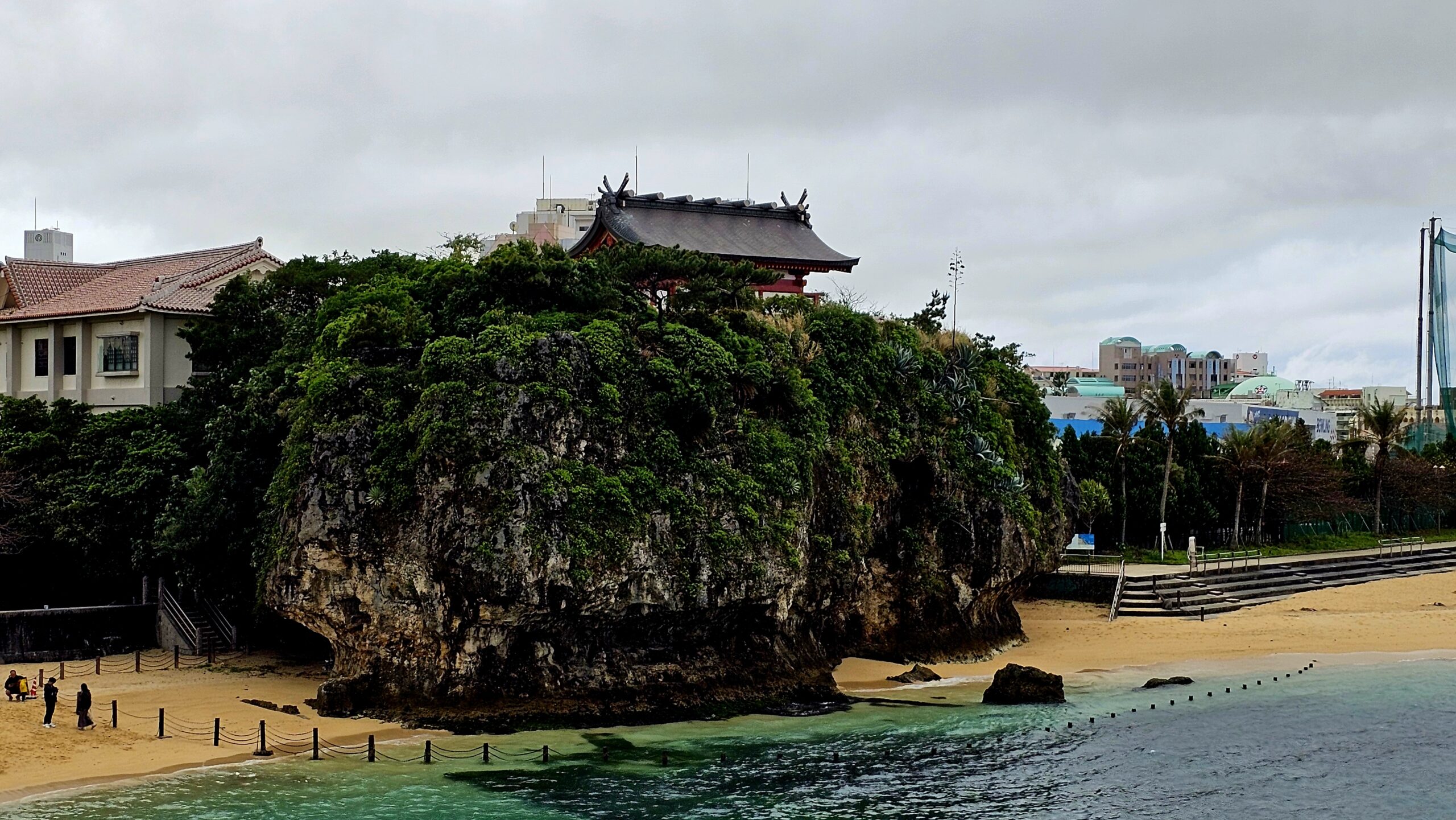
- Naminoue Shrine: Known as the “Shrine Above the Waves,” this peaceful site overlooking the ocean offered moments of spiritual reflection and gratitude.
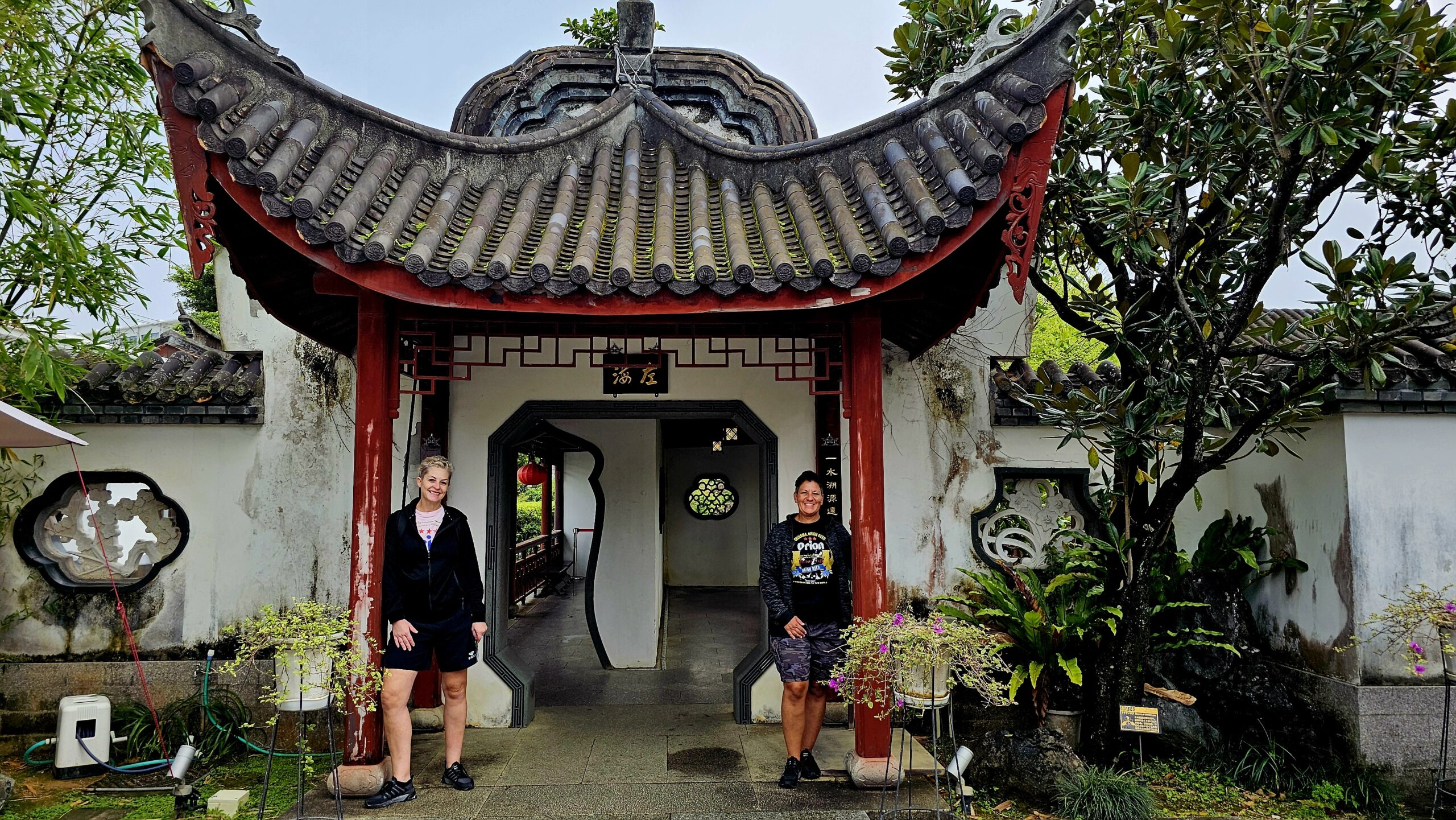
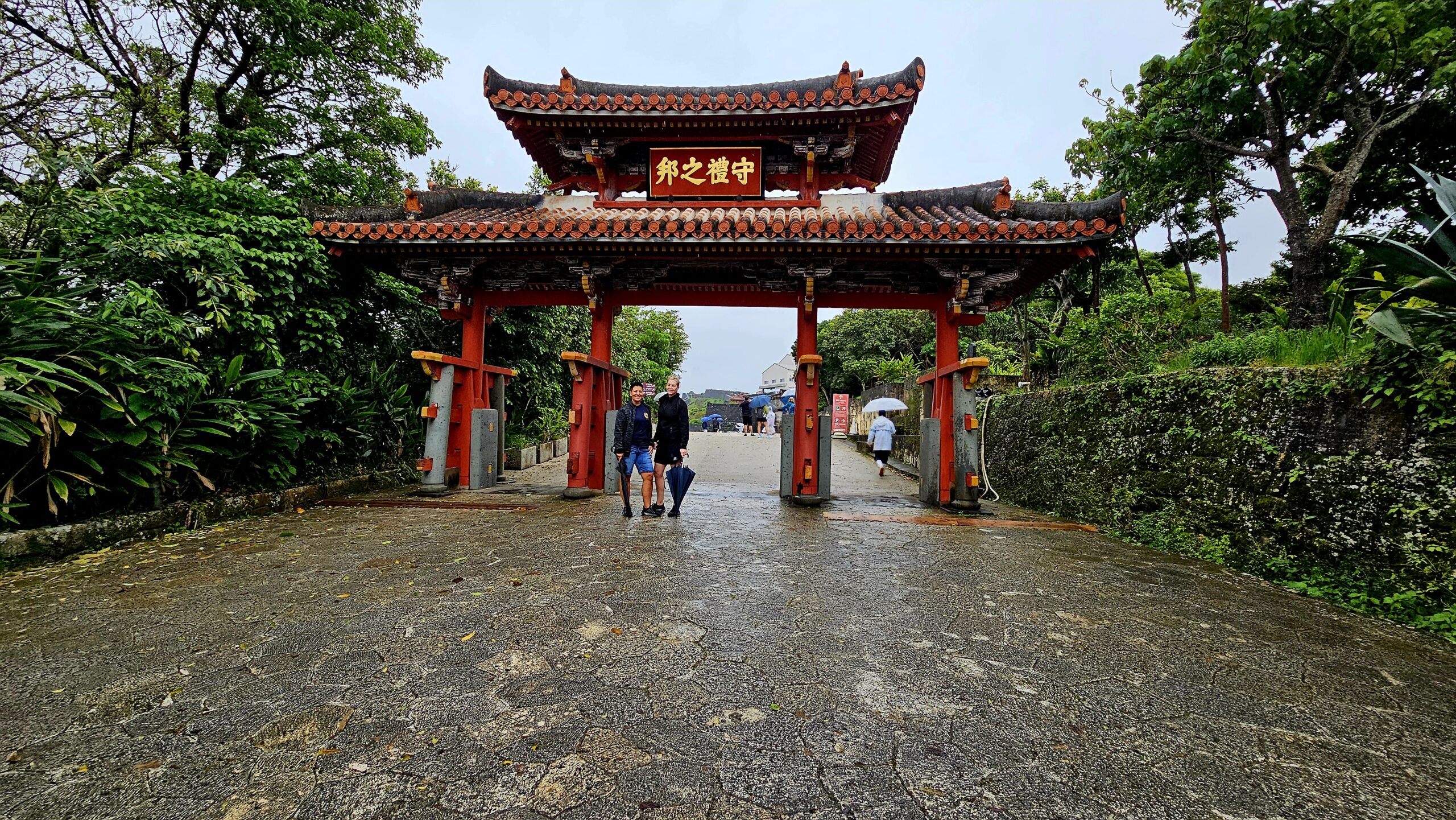
- Fukushūen Garden: A breathtaking Chinese-style garden symbolizing harmony and Okinawa’s historical ties with Fuzhou, China.
At each location, we found unexpected parallels between Okinawan culture and karate—themes of balance, resilience, and respect were ever-present.


Our Proud Lineage
As practitioners and teachers, lineage is not just a matter of history—it is our moral compass. We stand as the 5th generation in a documented, authentic lineage that reflects the depth, integrity, and legitimacy of our training:
- Master Ryū Ryū Ko (Liu Long Kung, 1793–1882) Chinese master of Shaolin Kempo and Fujian White Crane Kung Fu.
- Higaonna Kanryo Sensei (1853–1915) Trained in Fuzhou, China under Ryū Ryū Ko; founder of Naha-te in Okinawa.
- Aragaki Ryuko Sensei (1840–1918) Fellow student of Ryū Ryū Ko; early teacher to Chojun Miyagi Sensei.
- Chojun Miyagi Sensei (1888–1953) Trained under both Higaonna and Aragaki; and is the founder of Goju-Ryu karate in 1931.
During our trip, we had the profound honour of visiting his home in Naha, where his family still resides. It was a deeply moving and unforgettable experience. - Eiichi Miyazato Sensei (1922–1999) A direct student of Chojun Miyagi Sensei; founder of the OGKK in 1969.
We visited the entrance of the Jundokan Dojo, which he established. Although we did not step inside, standing at the threshold of this historic site allowed us to feel the presence of generations who trained there. - Kikugawa Masanari Sensei (b. 1946) A direct student of Eiichi Miyazato Sensei and current Vice Chairman and Technical Director of the OGKK.
We had the great privilege of training in his dojo during our visit to Okinawa, a rare and deeply respected opportunity that reaffirmed our path and purpose. - Kattan Senseis Direct students of Kikugawa Sensei and heads of the OGKK South Africa Honbu Dojo.
We are fortunate to train with them weekly, benefiting from their decades of experience, mentorship, and commitment to preserving the traditional methods passed down from Okinawa. - Morrison-Hagen Senseis (us) Direct students of Kattan Senseis.
We continue to teach and train weekly, carrying forward the teachings and values of our lineage with dedication, humility, and pride.
In a world where lineage is often claimed but seldom verified, we invite all martial artists to ask the important questions:
- Have you trained directly under the masters?
- Can you show photographic evidence?
- Are you actively preserving and contributing to the lineage?
True karate is not just technique. It is spirit, humility, and an unbroken chain of mentorship.
Kobudo and the Matayoshi Legacy
Another deeply meaningful stop was our visit to the Matayoshi Kobudo Honbu Dojo, where we met Yasushi Matayoshi Sensei, the current head of the Matayoshi weapons lineage and son of the late Shinpo Matayoshi Sensei (1921–1997. The Matayoshi lineage traces back to the 19th century, beginning with Shingin Matayoshi, followed by Shintoku Matayoshi, Shinchin Matayoshi, and then Shinko Matayoshi (1888–1947), who brought the family art to prominence. His son, Shinpo Matayoshi, further developed and shared Matayoshi Kobudo internationally.
Though we didn’t train during the visit, simply being in the presence of such a rich martial history was awe-inspiring. The dojo radiated discipline, heritage, and humble strength.
Natural Wonders and Okinawan Spirit
We explored the Gyokusendo Cave, a vast underground marvel, and enjoyed a cultural day at Okinawa World, where we witnessed traditional crafts, dance, and the famous Super Eisa drum performance. Wilbur and Gianna even gave a short performance on the Odaiko and Sanshin, adding a personal touch that made us all proud.
We also visited:
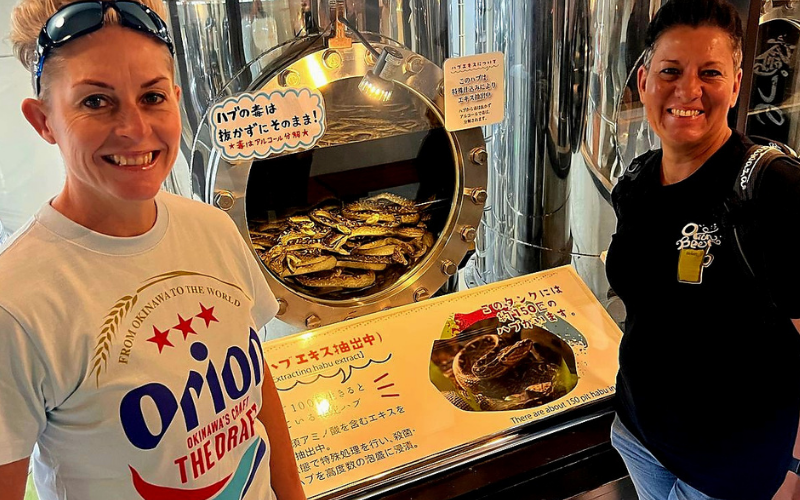
- Habu Museum Park – Where we learned about Okinawa’s native snakes and the science behind their preservation.
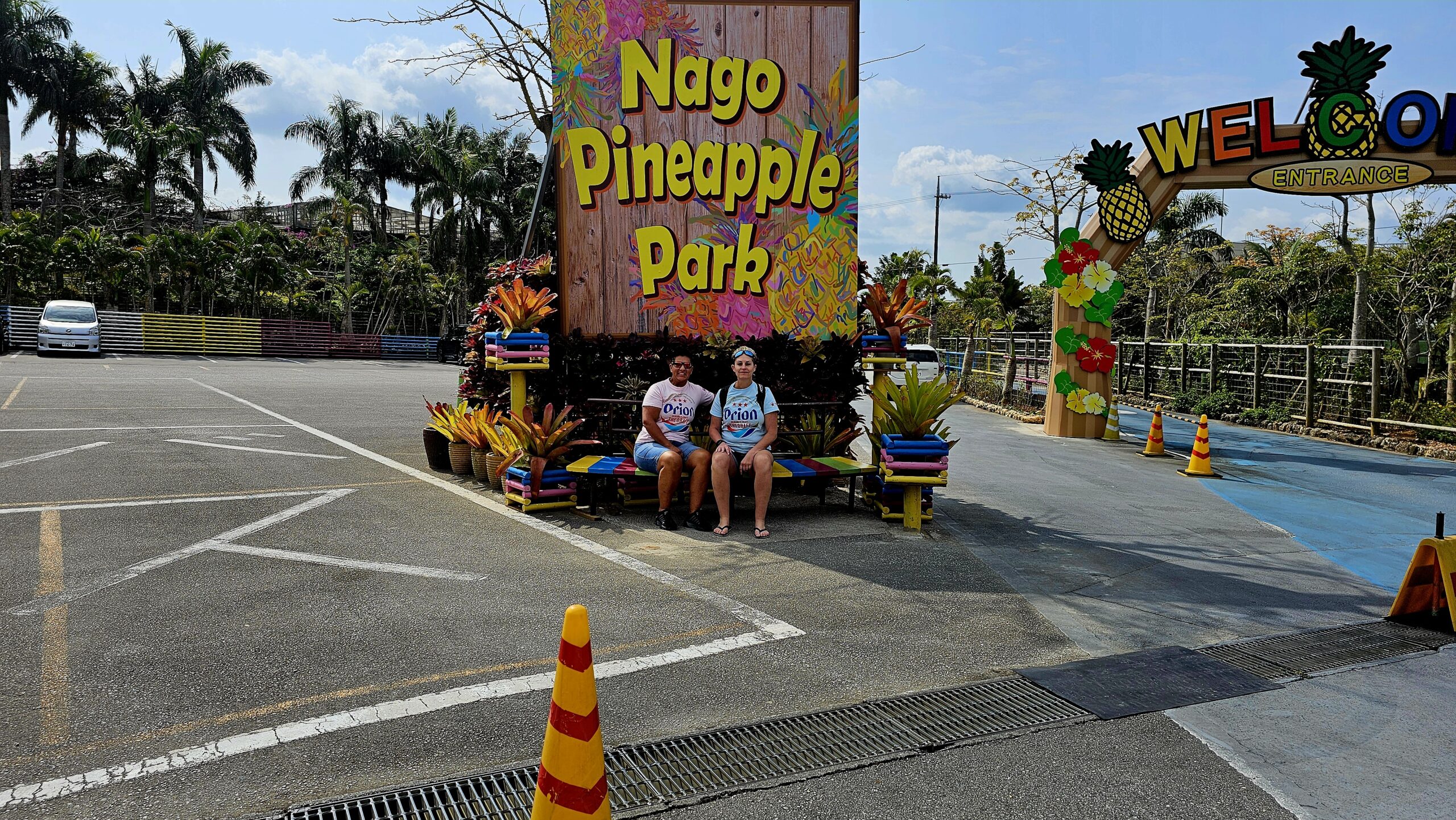
- Nago Pineapple Park – A lighthearted tropical experience, complete with pineapple soft serve and dinosaur trails.
- Kouri Island – A tranquil getaway with a romantic legend and pristine beaches.
- Churaumi Aquarium – One of the world’s top marine attractions, showcasing the majestic whale shark and deep-sea marine life.
20th Anniversary Demonstration & Sayonara Dinner
One of the highlights of our trip was performing in the 20th Anniversary Demonstration of Kikugawa Karate Dojo. Sharing the stage with fellow practitioners from Okinawa and around the world was a proud and emotional moment. We closed our journey with a heartfelt Sayonara dinner, joined by Gaja Takehiro Sensei, our respected Kobudo instructor in Okinawa, whose presence was both an honor and a celebration of unity.
What This Journey Means for Our Dojo
Returning from Okinawa, we are filled with renewed purpose. This journey reinforced our belief in authentic, traditional training—not only in technique, but in spirit. It reminded us that karate is not static; it evolves, but it must always honor its roots.
We carry back with us stories, insights, and lessons that will shape how we teach and train. And above all, we bring back a deeper connection—to our art, our students, and the lineage we are privileged to uphold.
To our students and community: thank you for walking this journey with us.